Healthcare software designed around real clinical workflows
We're upfront about what we have and haven't shipped in this domain yet, and we scope compliance honestly rather than claim certifications we don't hold.
Bitsbuffer builds patient records, scheduling, billing, and telehealth systems designed to follow a person across visits and providers instead of living in whichever system a department happens to use. Access logs and audit trails are built in from day one, not bolted on later.
What we build for healthcare

Patient records
Patient records that follow a person across visits and providers, instead of living in whichever system the last department happened to use.
Scheduling
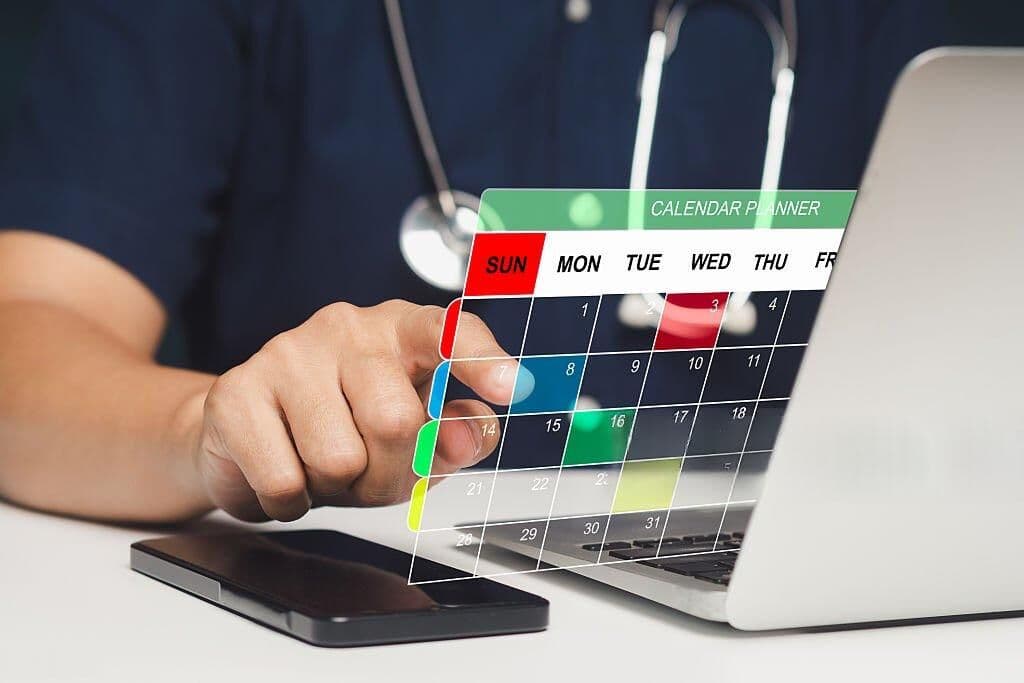
Appointment scheduling that accounts for provider availability, room capacity, and equipment in one view, so double-booking stops being a daily fire drill.

Billing & claims
Claims submitted with the coding and documentation a payer asks for, cutting the rejection and resubmission cycle most clinics live with.

Compliance
Access logs and audit trails built in from day one, not bolted on after the first compliance review flags a gap.
Telehealth
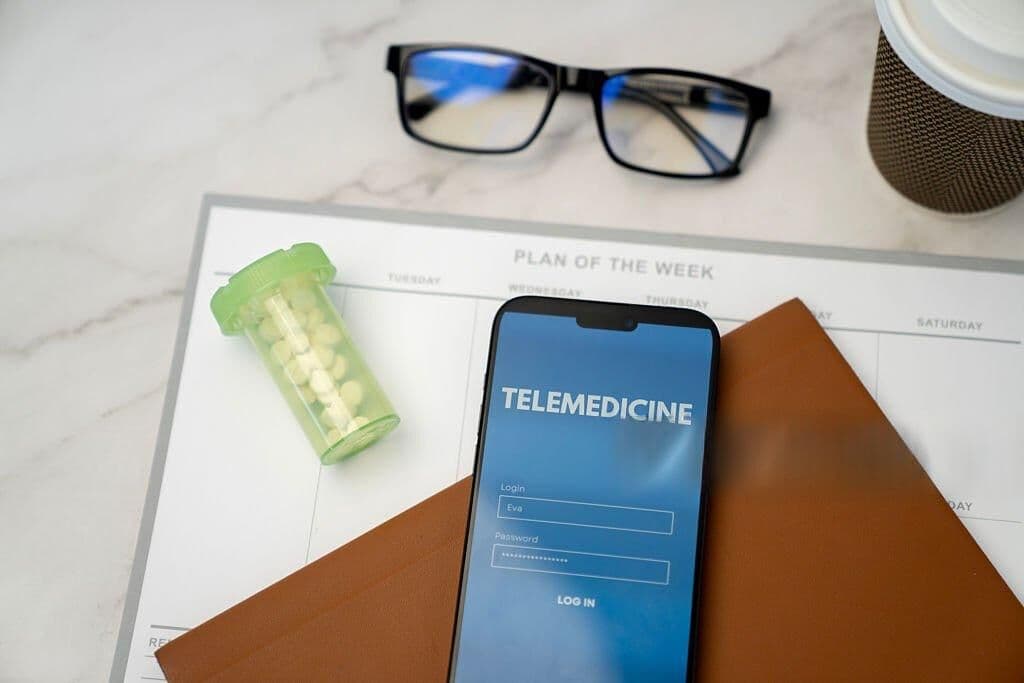
Video visits, e-prescriptions, and follow-up notes in the same workflow as an in-person visit, so remote care does not mean a separate, disconnected system.
How we approach it
We haven't shipped a named healthcare case study yet, and we won't claim one we don't have. What we do bring: the same discovery-first process we run on every shipped build, and access logs and audit trails treated as a design requirement from day one, not a compliance patch applied after the fact.
From the blog
View all articlesWhat 'HIPAA-Adjacent' Actually Means for a Custom-Built System
HIPAA gets cited constantly and understood loosely. Here is what the technical pattern behind it actually requires, and why it holds regardless of which country's regulator eventually asks about it.
HL7 and FHIR Interoperability: What a Custom Healthcare Build Actually Requires
FHIR adoption among certified health IT developers is near-universal now. Here is what actually goes into building a system that speaks it properly, not just claims to.
Questions about healthcare builds
We don't hold a formal healthcare compliance certification today, and we won't claim one we don't have. What we do build in from day one: access logs and audit trails as part of the system design, not bolted on after a review flags a gap. If your project needs a specific certification path, we scope that honestly in discovery before committing to timeline or cost.
That's the specific problem we design for, records that don't live in whichever system the last department happened to use. See the scenarios above.
Yes, video visits, e-prescriptions, and follow-up notes in the same workflow as an in-person visit is part of the standard scope.
We build the access-log and audit-trail foundation the HIPAA Security Rule expects, encryption, unique user IDs, minimum-necessary access, into every healthcare build from day one. We don't hold a HIPAA certification ourselves, no vendor does, HIPAA compliance is assessed against your specific deployment and Business Associate Agreement, not a certificate a vendor can hand you. We scope that honestly in discovery.
Interoperability is scoped around HL7 and FHIR, the standard most EHRs including Epic and Cerner expose an API against. Whether that means a full FHIR integration or a narrower data exchange depends on what your existing EHR actually supports, confirmed in discovery.

Tell us what you are building.
No generic proposal. No obligation. Real workflow mapping starts in the first conversation, and a real person answers, no bot.
No credit card, no sales deck, no long-term lock-in.