Custom ERP built around how your business actually works
Packaged ERP assumes a generic workflow. We build the version that matches how your business is actually structured.
Bitsbuffer builds order, revenue, procurement, and HR/payroll systems connected to one core, so a change in one place shows up everywhere else the same day, not at month end. Approval chains and permission levels match how the business is structured, not a generic role template.
What we build for enterprise / erp

Order & revenue management
Order, invoice, and revenue management built to grow with the business instead of blocking it.

Multi-entity operations
One system across branches or subsidiaries instead of the same spreadsheet copied five times and reconciled by hand at month end.

Reporting & controls
Approval chains and permission levels that match how the business is structured, not a generic role template.
Procurement
Purchase requests, approvals, and vendor records in one system, so a purchase order does not depend on someone remembering to update a spreadsheet.
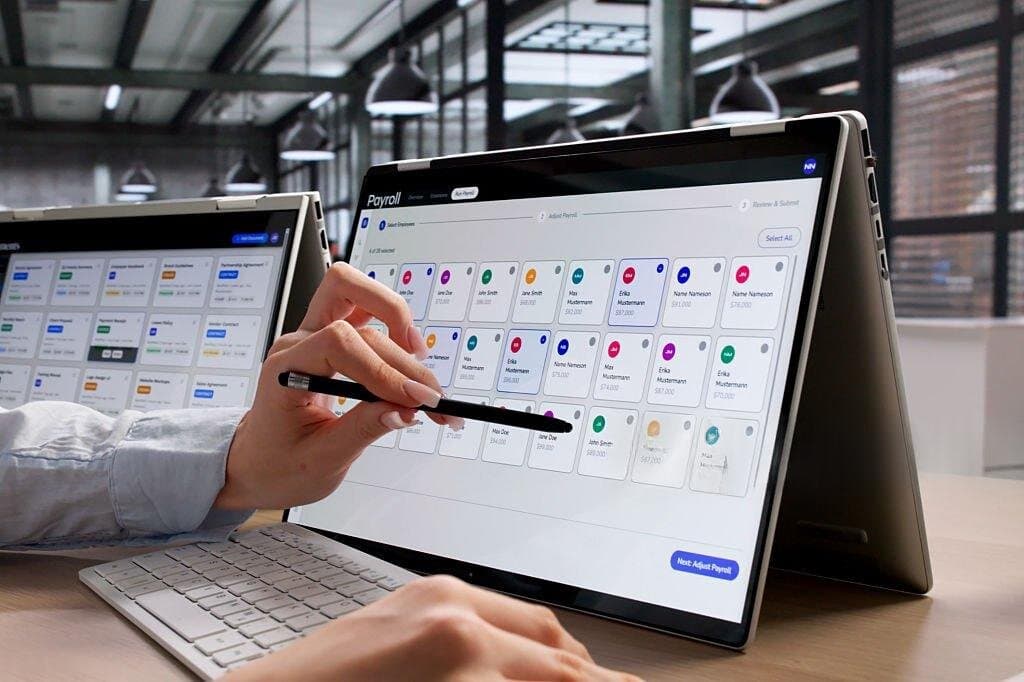
HR & payroll
Payroll, attendance, and HR records connected to the same core system as finance, so a headcount change reflects in the budget the same day, not at month end.
How we approach it
We have shipped a production ERP platform for internet service providers: orders, invoicing, sales, and revenue management built around the actual ISP workflow rather than a generic template. We walk through relevant shipped work in discovery.
From the blog
View all articlesThe Real Signs You've Outgrown Your Packaged ERP
Gartner puts ERP project failure rates as high as 55 to 75 percent. Most of that isn't a bad vendor, it's a packaged system stretched past the workflow it was built for. Here is how to tell the difference.
Multi-Entity, Multi-Warehouse: Why Generic ERP Breaks at Scale
Add a second entity or a third warehouse and a lot of ERP systems that worked fine at one location start multiplying complexity instead of managing it. Here is why, and what actually fixes it.
What actually changes when you own the code
Code ownership sounds like a footnote in a contract. In practice, it decides whether you can grow your product without needing your original vendor to say yes first.
Questions about enterprise / erp builds
Often, yes. A lot of ERP work is closing a specific gap, like procurement or multi-entity reporting, rather than a full replacement. We scope this in discovery before recommending either path.
Packaged ERP assumes a generic role template and a generic workflow. Custom ERP is built around how your business is actually structured, approval chains and permission levels included, see the scenarios above.
Yes. A shipped example: an order, invoice, sales, and revenue management platform built for internet service providers. We walk through relevant shipped work in discovery.
Packaged platforms charge for modules and users whether or not you use them, and the implementation is scoped to their template, not yours. Custom ERP cost is scoped only to the modules you actually need, order and revenue, procurement, HR and payroll, whichever apply, so the real comparison depends entirely on your footprint. Discovery is where that turns into actual numbers instead of a generic pricing page.
Yes. Data migration is scoped as part of the same discovery process: what data moves, what gets cleaned up along the way, and a cutover plan that does not stop the business mid-migration.

Tell us what you are building.
No generic proposal. No obligation. Real workflow mapping starts in the first conversation, and a real person answers, no bot.
No credit card, no sales deck, no long-term lock-in.